
High value dog training treats are rewards your dog notices quickly, eats quickly, and wants enough to choose you over distractions. They do not need to be large. In most training sessions, the best reward is a tiny piece with real aroma, clean texture, and enough value to keep the next repetition moving.
That is why real-meat treats often work better than plain biscuits when the environment gets harder. A small piece of chicken can be more motivating than a big dry snack because dogs respond strongly to smell, freshness, and texture. The same smell-first logic helps at mealtime: our guide to the best dog treats for picky eaters leans on real chicken aroma to win over fussy dogs.
High value dog training treats: the quick rule
Choose a treat that is easy to portion, fast to chew, and valuable enough for the job. Indoor sit practice may only need a small everyday reward. Recall, loose-leash walking, puppy focus, or training around other dogs usually needs something more exciting. For the full rundown, see our guide to the best dog training treats.
The reward should also fit your dog's stomach and your daily calorie plan. High value does not mean unlimited. It means each piece is meaningful, so you can use fewer calories while still getting better attention.
What makes a treat high value?
A high-value treat usually has four practical traits: strong natural aroma, a texture your dog likes, a clear ingredient story, and a size that lets you reward often without overfeeding. If one of those traits is missing, the treat may still be fine for casual snacking, but it may not hold attention during training.
Think of value as context, not a fixed label. A treat your dog loves in the kitchen may be ordinary at the park. A tiny piece of soft chicken jerky may be powerful during puppy class because it smells good, disappears quickly, and keeps your dog's eyes back on you.
Aroma matters more than size
Many pet parents make rewards bigger when a dog gets distracted. A better first move is to improve aroma. Dogs often notice smell before they care about the size of the piece, especially outdoors.
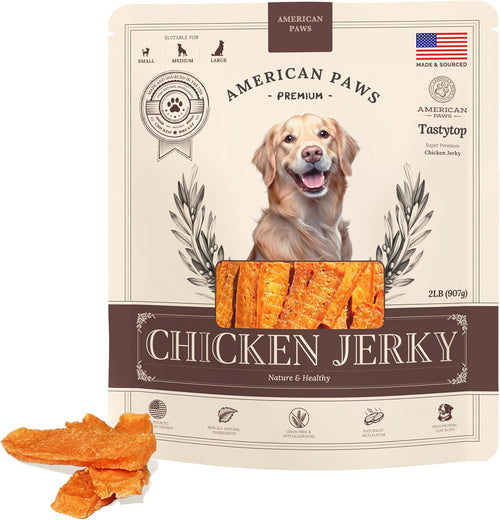
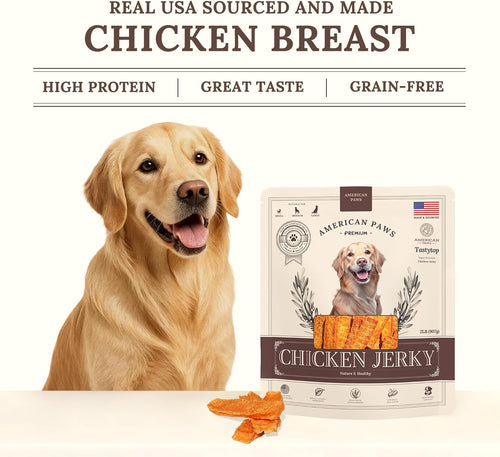
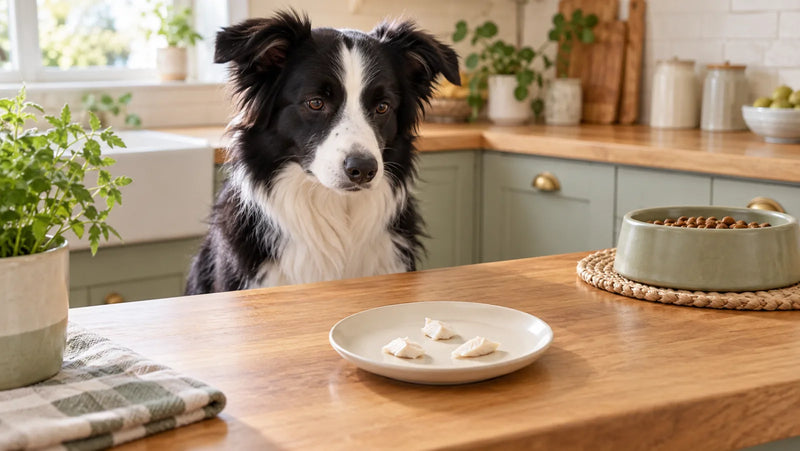
American Paws soft chicken jerky treats are useful for this job because they are made with real chicken and a touch of natural glycerin for a softer texture. They are all-natural and grain-free, but not single-ingredient, so the honest advantage is aroma, chew, and easy cutting.
Texture changes motivation
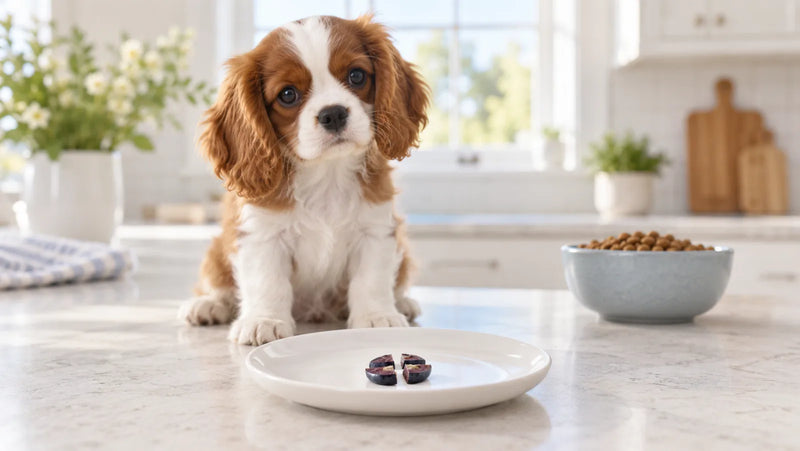
Some dogs work best for soft rewards because they can swallow them quickly and return to the lesson. Others like crunchy freeze-dried pieces because the texture feels different from their normal food. Your goal is to find the format your dog values without slowing the session.
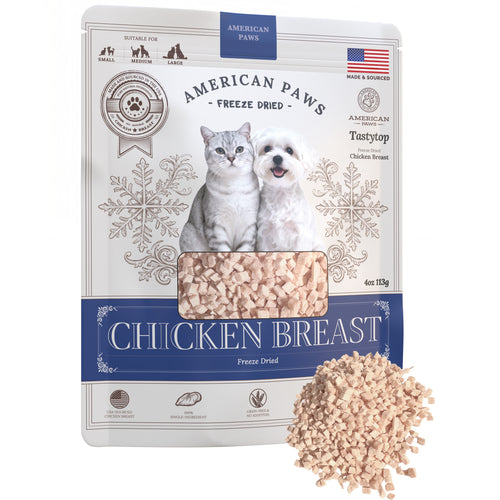
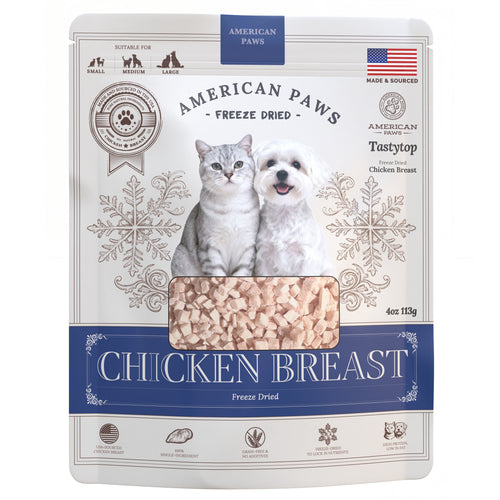
If your dog likes crisp pieces, freeze-dried chicken treats can be a clean option. They are made with 100% USA chicken breast and are naturally easy to break into smaller pieces when needed.

Use tiny pieces for better timing
Training depends on timing. If the reward takes too long to chew, your dog may forget what earned it. Tiny pieces let you mark the behavior, deliver the reward, and reset quickly for the next cue.
For most dogs, pea-size or smaller is a good starting point. For puppies, toy breeds, or high-repetition work, go smaller. Our dog training treat size guide breaks down sizing by dog, session type, and texture.
Match reward value to the job
Low-distraction practice
For familiar skills at home, you may not need the richest treat. A small piece of a known reward can be enough for sit, down, name response, or short shaping games.
Outdoor focus
For walks, door manners, or training near smells and movement, use a higher-aroma treat. Soft chicken jerky cut small can help because each piece is quick but noticeable.
Recall and hard choices
For recall practice, ignoring food on the ground, or coming away from other dogs, use your best rewards. Instead of one large chunk, deliver several tiny pieces in a row. That feels like a bigger payoff while keeping chewing fast.
Do not use rich rewards for everything
High value treats are most useful when they stay special. If every easy cue earns the highest-value reward, your dog may start expecting the same payoff for every task. Rotate value by difficulty: easier behaviors can earn normal rewards, while hard behaviors earn the best pieces.
This keeps training efficient and helps prevent treat escalation. Your dog learns that effort and focus matter, while you keep portions controlled.
Choose simple labels
A training treat does not need a long ingredient panel to be useful. Look for named animal protein, clear country-of-origin information, and a format that fits your training plan. American Paws makes treats in the USA with small-batch care, and the right product depends on the training moment.
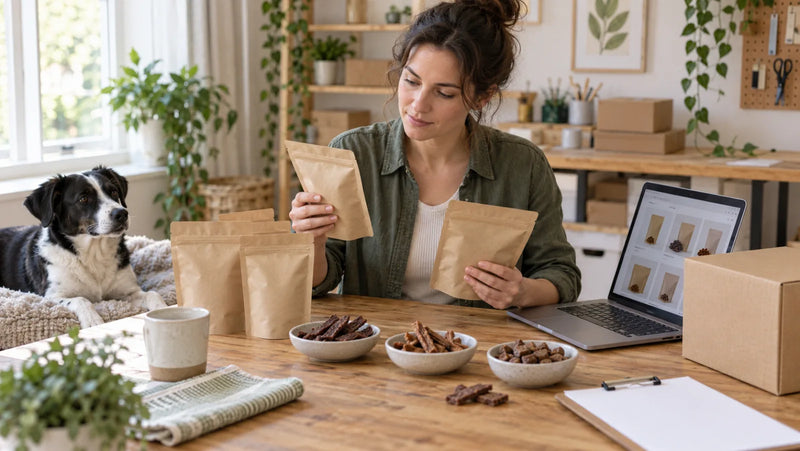
Soft chicken jerky is practical when you want fragrant, snippable rewards. Freeze-dried chicken is practical when you want a clean, lightweight crunch. If you want to compare training formats in one place, browse the American Paws training treats collection.
Watch your daily treat budget
Training rewards count. A productive session may use twenty, thirty, or more tiny pieces, so size matters. Keep treats as a small part of the daily diet unless your veterinarian gives different guidance for your dog.
If you are unsure where treats fit, read our guide to how many treats a dog can have per day. It explains the common 10% guideline and why tiny rewards are easier to manage.
How to test a high-value treat
Run a simple test before you rely on a reward in a hard environment. Offer one tiny piece at home and watch how quickly your dog turns back to you. Then try the same treat in the yard, on the sidewalk, and near mild distractions.
If your dog takes the treat but wanders away, the reward may be acceptable but not high value enough for that setting. If your dog eats quickly and stays engaged, you have a good training option. For the training steps themselves, use our guide on how to train a dog with treats.
Common mistakes with high-value rewards
Using pieces that are too large
Large pieces slow the lesson and add calories fast. Cut first, then train.
Changing treats too often
If you swap rewards every time your dog hesitates, you may teach them to hold out. Test calmly and change one variable at a time.
Forgetting the environment
A reward can be high value at home and low value at the park. Increase value when distractions increase.
Frequently asked questions
What are high value dog training treats?
They are treats your dog finds especially motivating during training. They are usually aromatic, easy to eat quickly, and cut into small pieces.
Are high-value treats only for puppies?
No. Puppies, adult dogs, and senior dogs can all benefit from higher-value rewards when learning new skills or working around distractions.
Should high-value treats be soft?
Soft treats are often easier to cut and eat quickly, but some dogs prefer crunchy freeze-dried pieces. The best texture is the one your dog values and can eat fast.
Can I train with chicken treats every day?
Many dogs can use small chicken treat pieces for daily training, but portions still matter. Ask your veterinarian if your dog has allergies, weight concerns, or a special diet.
How small should high-value treats be?
Pea-size or smaller is a useful default. Go smaller for puppies, small dogs, or sessions with many repetitions.
Reward smarter, not bigger
High value dog training treats should help your dog focus without turning training into overfeeding. Start with real aroma, cut pieces tiny, and save the richest rewards for the moments that truly need them. Compare American Paws training treats to choose a format that fits your dog, your session, and your daily routine.