
Are dehydrated dog treats safe? Yes, they can be safe when they are made from appropriate ingredients, dried thoroughly, stored dry, sized for your dog, and fed with supervision. The safety problems usually come from unsafe ingredients, poor drying, moisture after opening, mold, oversized pieces, or treating a chewy reward like an unlimited snack.
That is why the better question is not whether every dehydrated treat is safe. It is whether the treat in your hand passes a simple checklist: clear ingredients, clean processing, dry storage, sensible portion size, and the right texture for the dog eating it.
Are dehydrated dog treats safe? The short answer
Dehydrated dog treats are safe for many dogs when they are made for pets and used as treats, not as a main diet. Dehydration removes moisture, which helps create a shelf-stable texture, but it does not make every ingredient appropriate and it does not excuse careless storage after the bag is opened.
A good dehydrated treat should be dry, clean-smelling, clearly labeled, and easy for your dog to chew or break down. If a treat smells sour, feels damp when it should be dry, shows mold, has an unclear ingredient list, or is large enough for your dog to gulp, skip it.
For health conditions, food allergies, puppies, senior dogs with dental issues, or dogs on prescription diets, ask your veterinarian before making a new treat a regular habit.
What dehydrated means for dog treats
Dehydrated dog treats are made by removing moisture from an ingredient or recipe using controlled heat and airflow. The result may be chewy, leathery, crisp, or crunchy depending on the ingredient, thickness, temperature, and final moisture level.
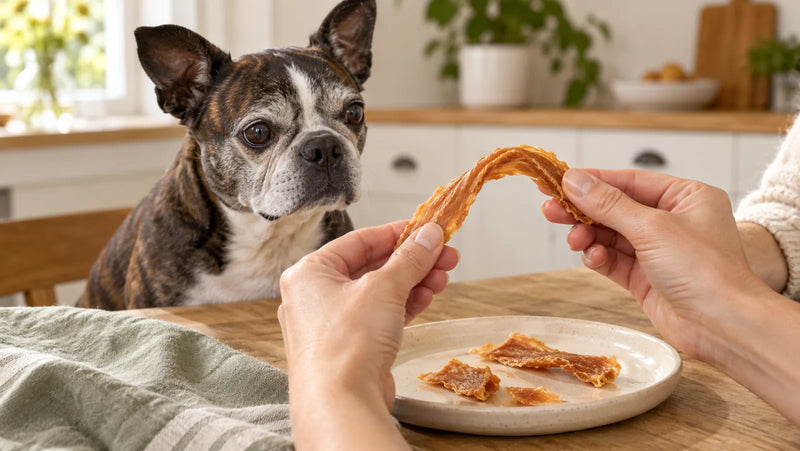
Chicken jerky, dehydrated chicken feet, dried meat strips, and some fruit or vegetable treats can all fall under the broad dehydrated category. That range matters because each format has a different job. A small jerky piece may be a quick reward. A chicken foot is more of a supervised chew. A hard dried strip may need to be broken before a small dog eats it.
If you are comparing formats, our guide to freeze-dried vs dehydrated dog treats explains the texture and use-case differences in more detail.
Dehydrated treats are not the same as raw treats
Some pet parents hear dried meat and assume it is basically raw. Others assume dehydration makes everything risk-free. Neither shortcut is accurate. Dehydrated treats are processed, but the safety of the finished treat still depends on ingredient quality, manufacturing controls, moisture, handling, and storage.
The FDA warns that raw pet foods can carry bacteria such as Salmonella and Listeria, which can affect pets and people handling the food. Dehydrated commercial treats are not the same thing as feeding raw scraps, but this is a useful reminder: processing and handling matter.
Wash hands after handling meat-based treats, keep treat bags closed, and do not leave chews sitting on damp floors or outdoors. Moisture is the enemy of dried treats.
The safety checklist before feeding dehydrated dog treats
Before you feed a dehydrated treat, run through a quick check. It takes less than a minute and catches most common problems.
Start with a clear ingredient list
Look for named ingredients. Chicken breast is clear. Beef liver is clear. Vague meat flavors, heavy sweeteners, artificial colors, and mystery blends make it harder to know what your dog is eating.
Also match the claim to the label. Some treats are truly single-ingredient. Some are limited-ingredient or all-natural but include another ingredient for texture. That distinction is normal, but the label and article claims should be honest.
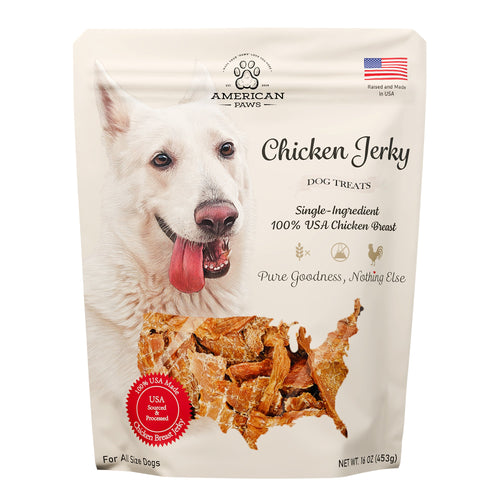
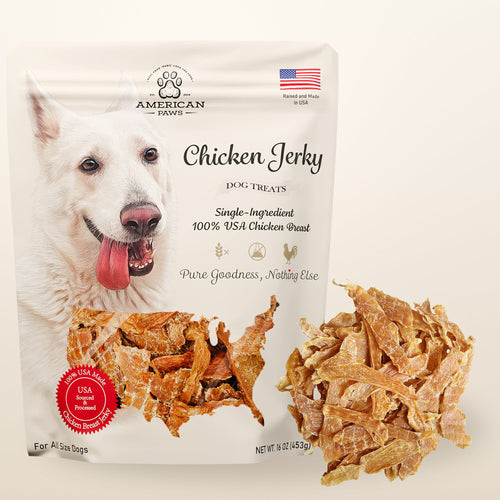
At American Paws, single-ingredient chicken breast jerky is a whole-cut chicken option. The soft chicken jerky treats are all-natural and grain-free, made with real chicken and a touch of natural glycerin for texture, so they should not be described as single-ingredient.
Check texture, size, and chewing style
A safe treat for one dog can be awkward for another. A large dog may chew a strip calmly while a small dog tries to swallow the same size whole. A senior dog with missing teeth may need softer pieces. A fast eater may need smaller pre-cut rewards instead of a long strip.
Break or cut treats before feeding when needed. For training, small pieces are usually better because they reduce choking risk, keep calories controlled, and let the dog return attention to you quickly.
Store them dry and discard anything suspicious
Dehydrated treats should stay dry after opening. Close the bag tightly, keep it away from steam and humidity, and avoid grabbing treats with wet hands. If you transfer treats to a container, choose a clean airtight one and keep the original feeding and ingredient information nearby.
Discard treats that smell off, show mold, feel unexpectedly damp, or have changed texture in a way you cannot explain. For a deeper storage routine, read our guide on how to store chicken jerky dog treats.
Keep portions inside the daily treat budget
Even a simple dehydrated meat treat is still a treat. The AAFCO guidance on treats and chews explains that treats are generally supplemental, not complete and balanced meals.
A common rule is to keep treats around 10% or less of daily calories unless your veterinarian gives different guidance. That is especially important with rich meat treats, training sessions, and dogs who gain weight easily.

Which dehydrated dog treats need extra supervision?
Any treat that takes time to chew deserves supervision. That includes chicken feet, thicker jerky strips, larger dried pieces, and hard treats that could break into sharp or awkward chunks. Supervision does not mean hovering nervously. It means being present enough to notice gulping, struggling, or a piece that has become too small and slippery.
Dogs who gulp food, guard chews, have dental disease, wear down teeth, or try to swallow large pieces should get smaller rewards or a different format. When in doubt, choose a treat you can break before feeding.
Our broader safe dog treats guide covers sizing, ingredients, and supervision across treat types.
Homemade dehydrated dog treats: where risk creeps in
Homemade dehydrated treats can be appealing because you control the ingredient list. The risk is that home drying is easy to get almost right. Pieces may dry unevenly. Thick slices may keep moisture inside. Storage may be too warm or humid. Seasonings from human recipes may be unsafe for dogs.
If you make treats at home, use dog-safe ingredients, avoid onion, garlic, heavy salt, sauces, sugar, and spice blends, and follow reliable food-safety instructions for drying and storage. Do not guess that a piece is safe because the outside feels leathery.
Commercial pet treats still need scrutiny, but they should at least give you a label, feeding directions, and a consistent format from bag to bag.
Freeze-dried vs dehydrated: which is safer?
Neither format wins automatically. Freeze-dried treats are often light, crisp, and easy to break into small training pieces. Dehydrated treats are often chewier and can be satisfying for dogs who like a longer reward. Safety depends on the ingredient, processing, storage, piece size, and your dog's chewing behavior.
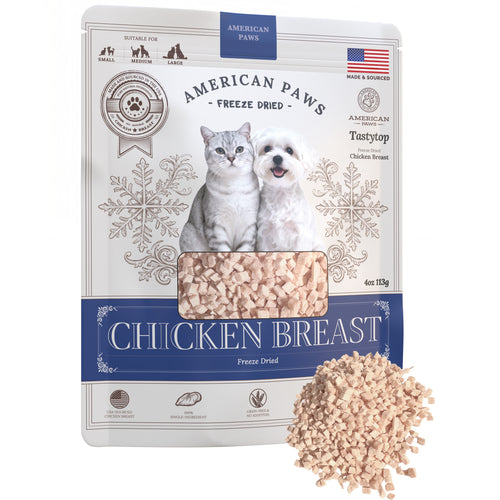
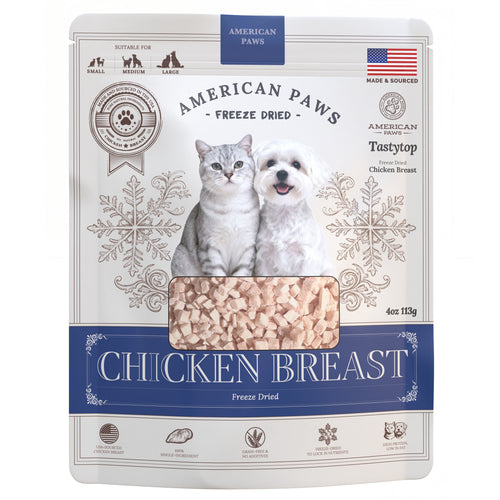
If your main concern is portion control during training, freeze-dried chicken or beef liver may be easier to break tiny. If your dog loves chewy texture, dehydrated chicken jerky can work well when you cut it to size. If your dog needs a supervised chew, a dehydrated chicken foot may fit a different moment.
Choose by job, not by buzzword. A treat used for recall training, a chew used after dinner, and a topper used over kibble do not need the same texture.
Why American Paws chicken treats fit a safer routine
American Paws chicken treats are made in the USA with small-batch care, and the company is based in Highland, California. That does not mean every treat is right for every dog, but it does give pet parents a clearer starting point than anonymous mystery snacks.
For a simple chicken reward, start with the American Paws chicken collection and match the format to your dog's size and routine. Whole-cut chicken breast jerky fits pet parents who want a simple single-ingredient option. Soft chicken jerky fits dogs who do better with a chewy texture and pieces that can be snipped small.
The safest routine is boring in the best way: choose clear ingredients, feed small pieces, keep the bag dry, supervise chews, and watch how your dog responds.
Frequently asked questions
Are dehydrated chicken treats safe for dogs?
Dehydrated chicken treats can be safe for dogs when they are made for pets, stored dry, sized correctly, and fed in moderation. Avoid seasoned human chicken, unclear labels, and pieces your dog may gulp.
Can dehydrated dog treats have bacteria?
Any meat-based food can be mishandled, which is why ingredient quality, processing, storage, and handwashing matter. Discard treats that smell off, look moldy, or feel unexpectedly damp.
How long do dehydrated dog treats last after opening?
Follow the package guidance. In general, keep the bag sealed, store it in a cool dry place, and use the treats within the recommended window. Humidity, wet hands, and open bags shorten practical freshness.
Are dehydrated treats safe for puppies?
Some puppies can have small, simple dehydrated treats, but pieces must be tiny and easy to chew. Ask your veterinarian if the puppy is very young, has digestive issues, or is on a specific diet.
Should dehydrated dog treats replace regular food?
No. Dehydrated treats are supplemental. Complete dog food should remain the main diet unless your veterinarian gives a different plan.
Choose simple dehydrated treats and feed them with common sense
Dehydrated treats can be a safe, useful part of your dog's routine when you keep the basics tight: clear ingredients, dry storage, small portions, and supervision for anything chewy or hard. Start with a treat format that matches your dog, break pieces down before training, and keep an eye on freshness after opening.
When you want a chicken-based option with a clear label, browse the American Paws chicken collection and choose the texture that fits the moment: crisp freeze-dried pieces, whole-cut jerky, soft jerky, or a topper for mealtime aroma.